
The Hack Becomes a Bill’s Argument
Senator Lummis renewed her push for the CLARITY Act — which failed a Senate cloture vote in September — citing the Binance theft, and said per coverage that the bill’s freeze tools “could have limited” the losses; she described a law-enforcement intelligence-sharing pilot and said Binance would likely fall into the bill’s “covered person” category. No bill text or procedural step was cited; all coverage is second-tier. The CFTC chair separately offered a competing answer: a federal exchange-registration option.
Freeze Law: the rescue is the argument against it
Senator Lummis says her stalled crypto bill’s freeze tools “could have limited” the Binance theft.
Look at what actually happened, without her law. The companies that mint the big dollar-tokens — Tether and Circle — locked up roughly $2.8 billion of the stolen money within hours. Binance replaced the rest from its own pocket. No federal pilot. No intelligence-sharing mandate. Private off-switches, pulled fast.
So what would the law add? Not the freeze — that already worked, at a speed no agency matches. It adds a direct line from exchanges to federal investigators, a pilot for sharing intelligence, and legal cover for pausing transactions on a government request.
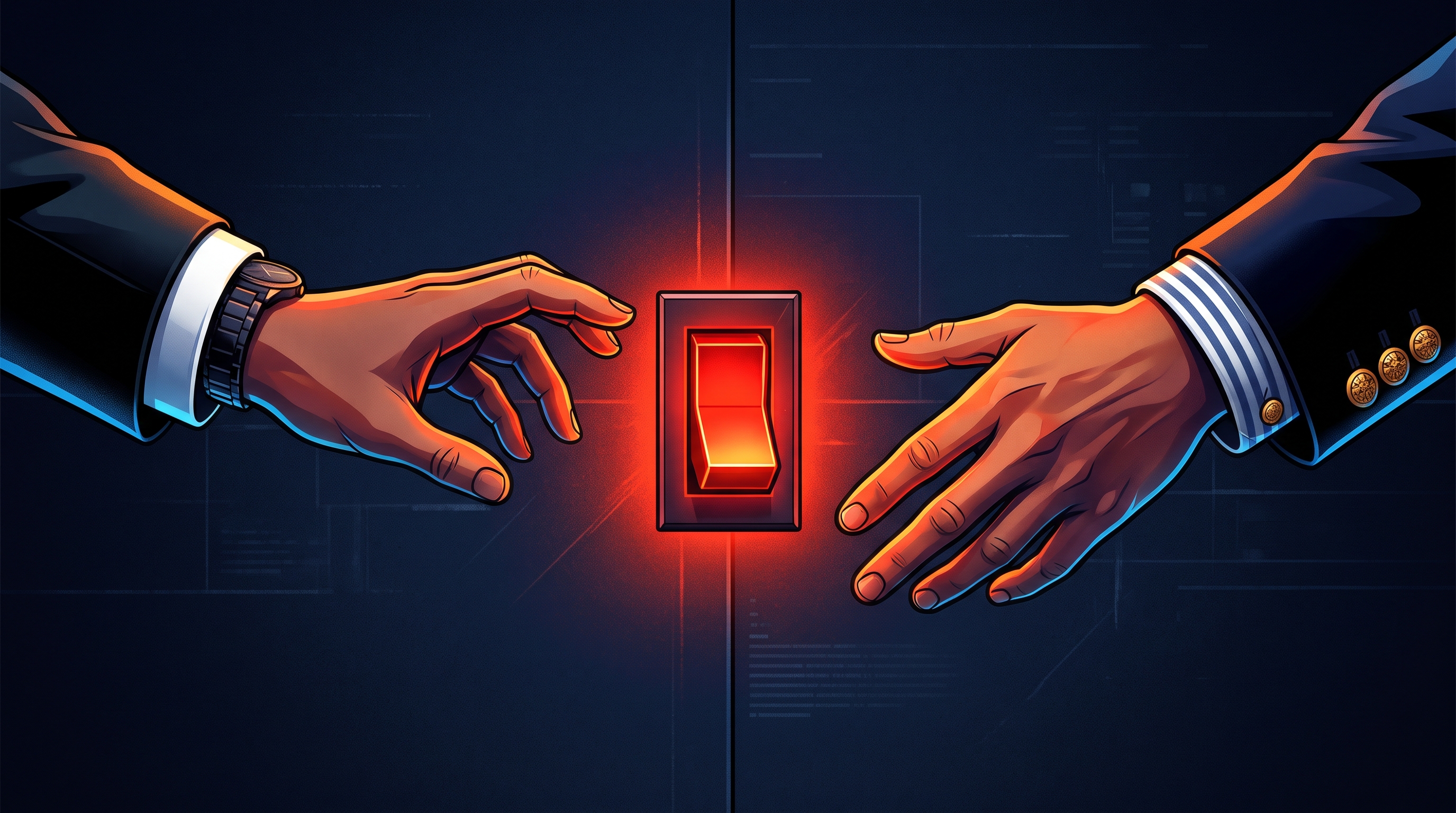
The hack proved the button exists. The bill is about who else gets a finger on it. That’s a real debate worth having — but “the freeze needs a law” isn’t the honest way to open it, because the freeze is the one part that needed nothing.
Within seventy-two hours of the theft, Washington produced two competing answers: the CFTC chair’s registration plan and this bill. The thieves needed twenty minutes. That gap, not the hack, is the strongest argument either of them has.
Related storylines
- CLARITY Act Senate fightCLARITY Act Senate advancement and passage dynamics