Tether’s Wall That Isn’t There
S&P maintained USDT at 5 (weak), its lowest stablecoin stability score, citing high-risk assets — gold, bitcoin, equities, secured loans, corporate bonds — rising to 28% of circulation from 24%, no reserve-segregation requirement in El Salvador, unnamed custodians and quarterly-only reporting, per Cointelegraph. KPMG’s unqualified opinion on Tether’s 2025 accounts remains unpublished. Tether: “The problem is S&P’s framework, not our reserves,” invoking The Big Short.
Tether: the 28% nobody insures
The number that matters isn’t the 28% of reserves now sitting in gold, bitcoin, stocks, loans and corporate bonds — up from 24% a year ago. It’s that nobody can tell you where those assets physically live, because Tether doesn’t name its custodians.
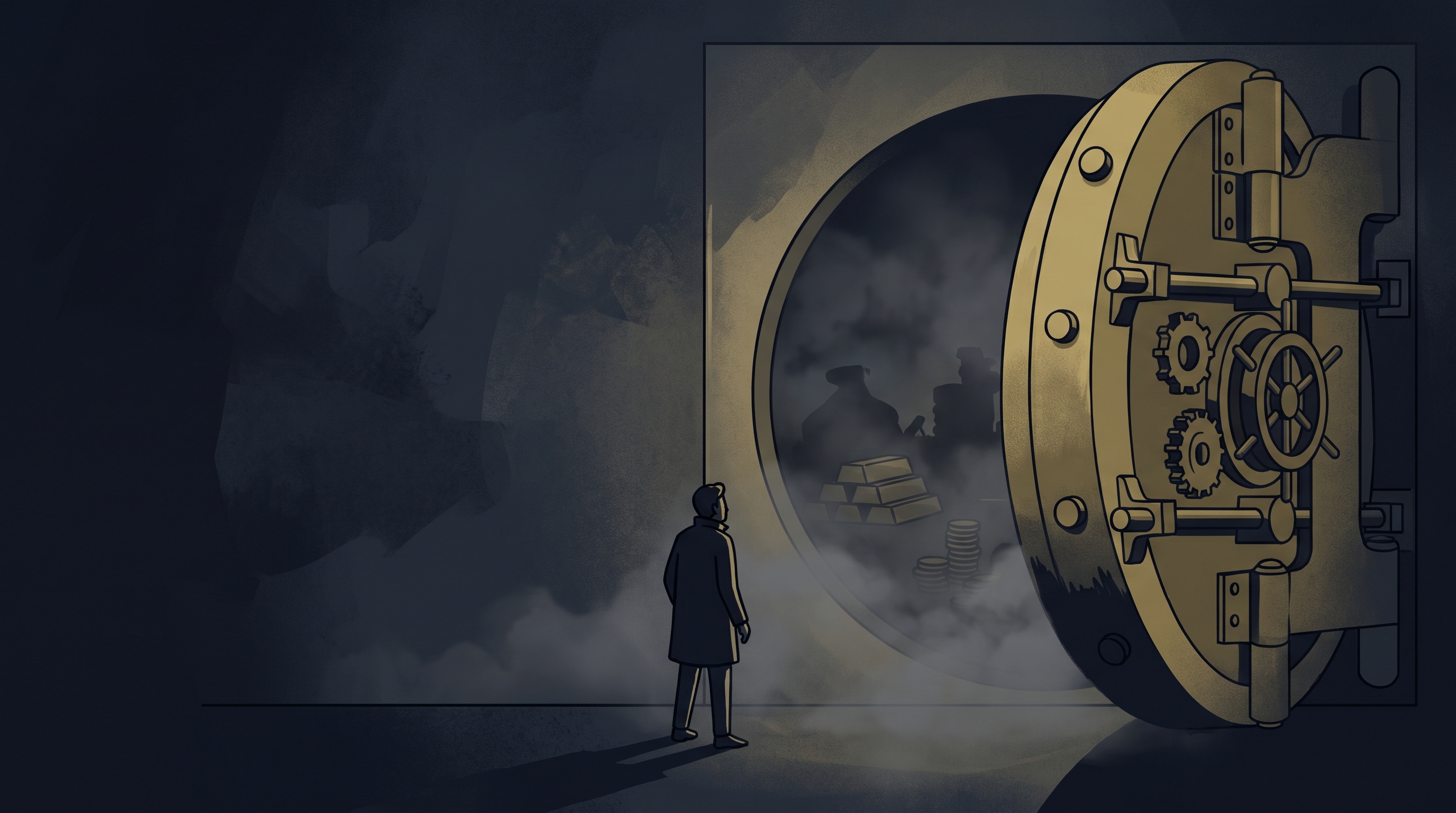
S&P’s sharpest complaint isn’t the risky holdings. It’s that El Salvador, where Tether moved last year, doesn’t require the reserves to be kept separate from the company’s own money. In the US and Europe, that wall is mandatory. If Tether ever got into trouble, could creditors reach the money backing your dollar-token? There’s no public answer — S&P’s words: no insight into how the reserves are insulated.
Tether points to its audit, and one genuinely exists now: KPMG signed off the 2025 accounts in August. But the audited statements were never published, so no outsider can read them.
“Trust us, we’ve been checked — you just can’t see the check.” That’s a strange thing to build $183 billion of dollar claims on.
6 sources
- S&P confirms Tether’s USDT stability rating at lowest level as reserve risk grows · en.coin-turk.com · T2
- S&P: USDT peg-keeping ability rated weak, risk assets rise to 28% of reserves · panewslab.com · T2
- Tether Cites Film 'The Big Short' in Pushback Against S&P's USDT Rating: 'The Problem Is S&P's Framework' · panewslab.com · T2
- S&P maintains the lowest rating for USDT's ability to peg to the US dollar, with high-risk assets accounting for 28% of its holdings; Tether cites *The Big Short* to refute. · lookonchain.com · T2
- S&P Global Ratings downgrades Tether’s USDT peg assessment to weak · cryptobriefing.com · T2
- Tether invokes The Big Short in swipe at S&P over USDT reserve risks · cointelegraph.com · T1